

Program Overview
The University of Saskatchewan (USask) Bachelor of Science in Engineering (B.E.) is a four-year direct-entry undergraduate program featuring RE-ENGINEERED First Year. Designed to help you succeed, first-year engineering students have access to a range of supports designed to help you build confidence, stay on track and connect with your peers from the start. From reviewing key concepts to forming study groups and attending structured help sessions, these resources are here to support your academic success throughout your first year.
By the end of your first term, you will have been introduced to all eight of our program areas giving you the opportunity to compare options before deciding on your discipline. In your middle years, you may choose to take part in the Co-op Internship Program to enhance your degree with full-time, paid work placements, helping you gain real world experience to boost your career prospects after graduation. Check out the viewbook for more details on our B.E. program.
Enhance your B.E. Degree
Disciplines
Find your area of focus among eight disciplines. You'll get to explore each one in your first year before choosing the discipline you'll major in. This gives you the chance to discover new interests, build a strong foundation and make an informed choice about your area of study.
Chemical Engineering
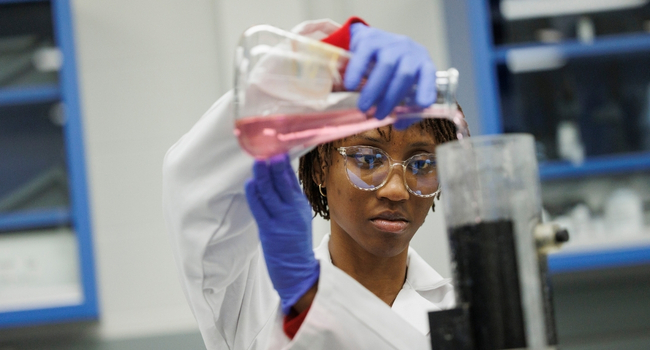
Chemical engineers (also known as process engineers) design, implement and improve technology to make our lives more comfortable and safe while minimizing the effect that we have on the environment. They take raw materials, living cells, chemicals or other energy sources to create useful products.
Bioprocessing
Learn about how to use biological systems and principles to develop sustainable processes for producing valuable products such as pharmaceuticals, biofuels and food ingredients.
Mineral processing
Students learn about extracting valuable minerals from ores through various chemical processes. It's used worldwide in industries like mining to obtain materials essential for manufacturing cars, electronics and other everyday products.
Petroleum
This option provides students with specialized courses in petroleum engineering, oil/gas engineering and bitumen upgrading.
Civil Engineering
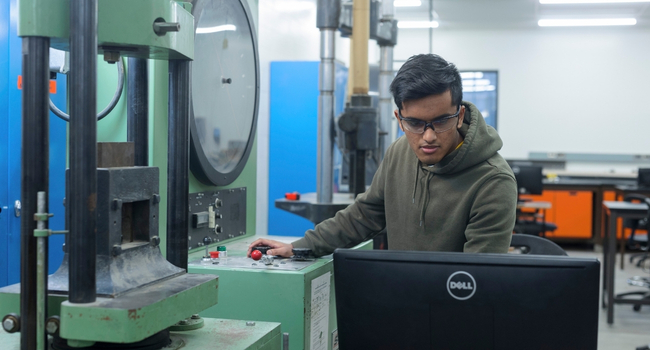
Civil engineers design, construct and maintain structures like roads, highways, bridges and airports. They help create safe and sustainable small- and large-scale water resource projects such as dams, canals and pipelines.
Geological Engineering
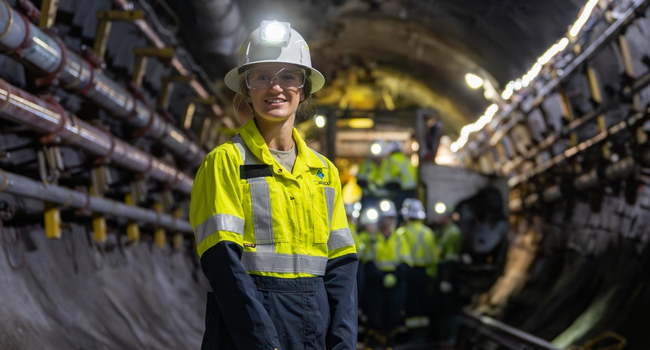
Geological engineering connects the worlds of nature and engineering. Geological engineers work to find and develop resources and to discover how to sustainably dispose of waste. Geological engineers also work to design and develop stable building foundations, bridges, dams and more.
Mining
Students gain foundational knowledge of mining operations such as process engineering, mine design, excavation techniques and mineral deposits.
Computer Engineering
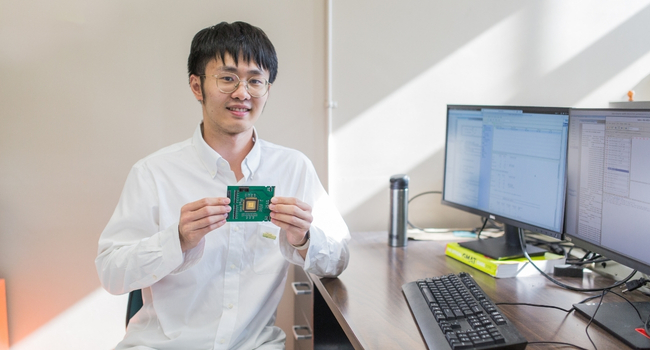
Computer engineering is the design, development and integration of computer programs and technology into devices and systems that improve how we interact with our world. Graduates design smart devices such as cellular phones, medical imaging, monitoring devices and much more.
Digital signal processing and applications
Digital signal processing is the backbone of how the world communicates. It's the technology that allows us to phone a friend, take photos and store them forever, connect people around the world with satellites and more.
Software
Learn about the design, development and implementation of programs and algorithms that enable hardware systems to function, ranging from operating systems to apps and more.
Earn a Computer Engineering (B.E.) and a Computer Science (B.Sc.) degree in five years. Master both hardware and software to excel in tech careers.
Engineering Physics
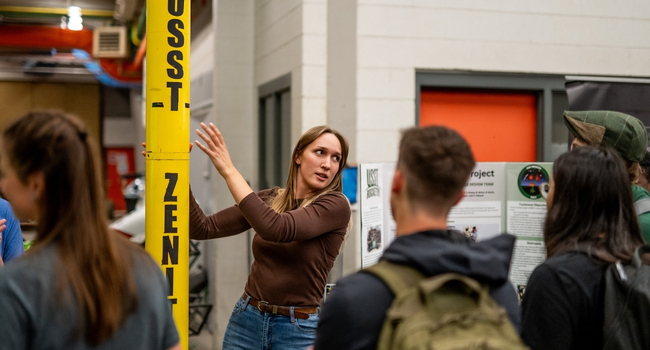
Engineering physics is a bridge between pure and applied science. This program enriches you with analytical skills in mathematics and scientific reasoning, as well as technical skills in the design, construction and operation of systems including nanotechnology, space instrumentation, particle accelerators and more.
Earn an Engineering Physics (B.E.) and a Computer Science (B.Sc.) degree in five years. Blend physics with computing to push the boundaries of science and technology.
Electrical Engineering
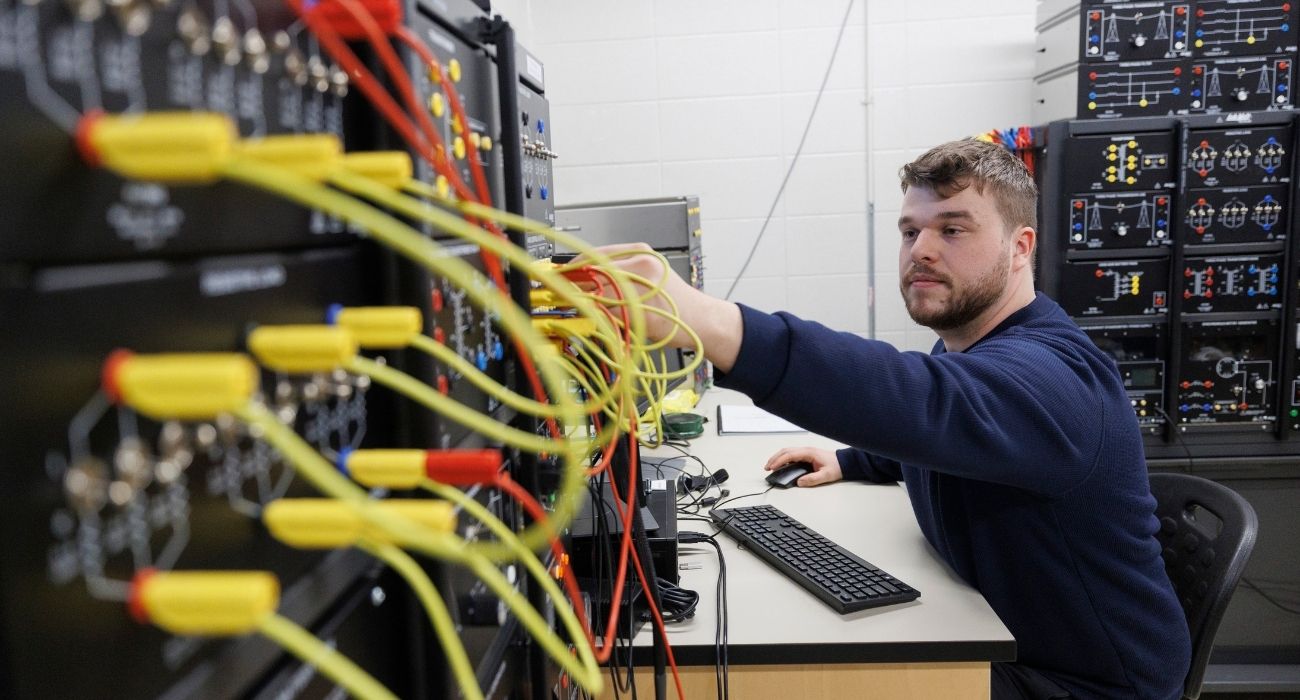
Electrical engineering is the design and management of power systems, communication networks and the electronic products that are transforming our way of life. Electrical engineers also design systems and networks that will deliver services such as internet, text, voice and video information around the globe.
Autonomous mobile robotics
Students learn how to design, program, debug and implement an autonomous mobile robot. Topics include Robot Operating System (ROS), mobile robot sensors, mobile robot kinematics, algorithms needed to control an autonomous mobile robot and more.
Digital signal processing and applications
Digital signal processing is the backbone of how the world communicates. It's the technology that allows us to phone a friend, take photos and store them forever, connect people around the world with satellites and more.
Power and energy
Learn about the application of systems and technologies related to generating, transmitting, distributing, and utilizing electrical energy efficiently and sustainably.
Sensors, circuits and devices
This focus area encompasses the design, analysis, and implementation of components that detect, process, and transmit signals or data, crucial for various applications ranging from consumer electronics to biomedical devices.
Earn an Electrical Engineering (B.E.) and a Computer Science (B.Sc.) degree in five years. Merge electrical systems with computing for innovative solutions.
Environmental Engineering
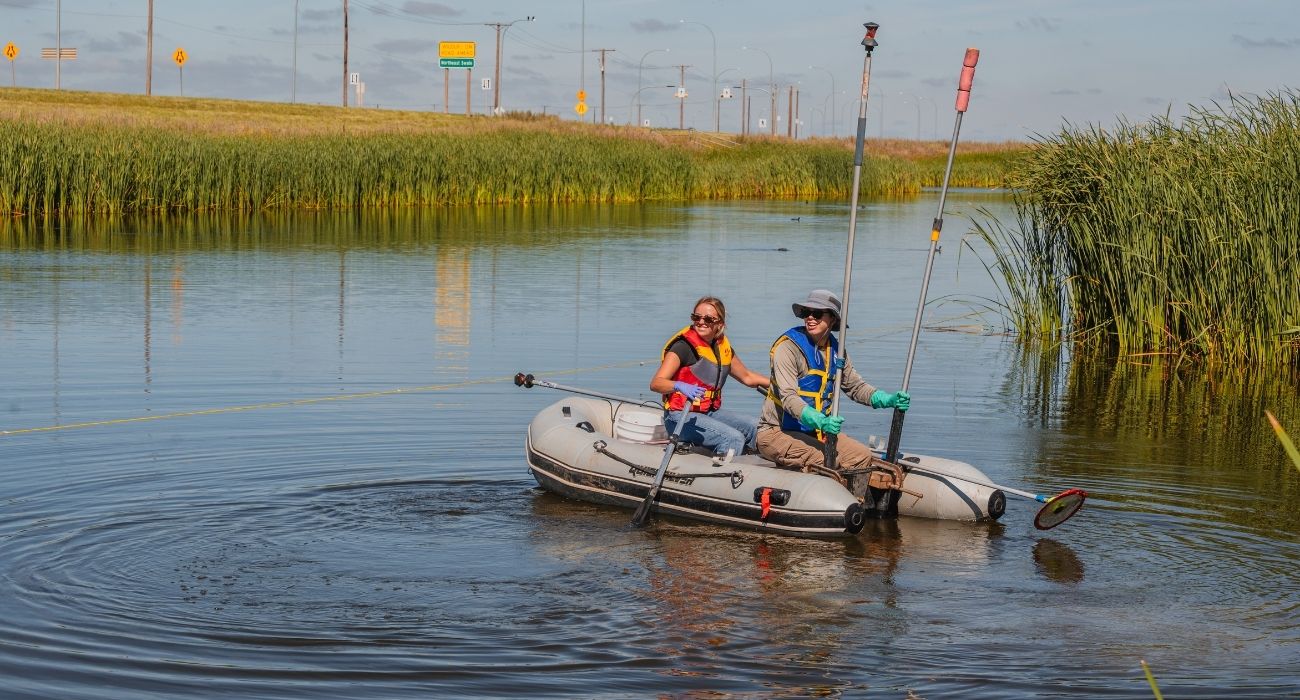
Environmental engineering is the application of science and engineering principles to protect and improve public health and the environment. Learn about water treatment, water and air pollution control, land protection and reclamation and more.
Mechanical Engineering
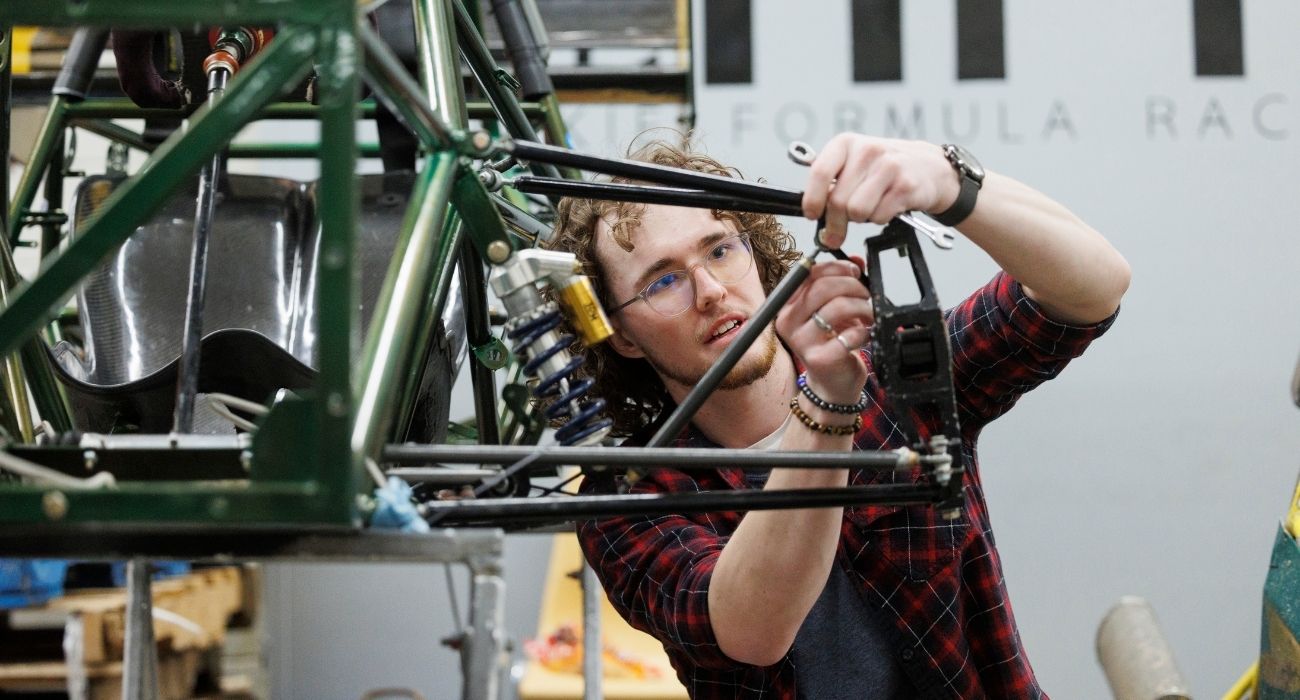
Design, develop, build and test everything from engines, to power systems, to medical devices to mining equipment. Essentially, if it moves, a mechanical engineer was likely involved.
Mining
Students gain foundational knowledge of mining operations such as process engineering, mine design, excavation techniques and mineral deposits.
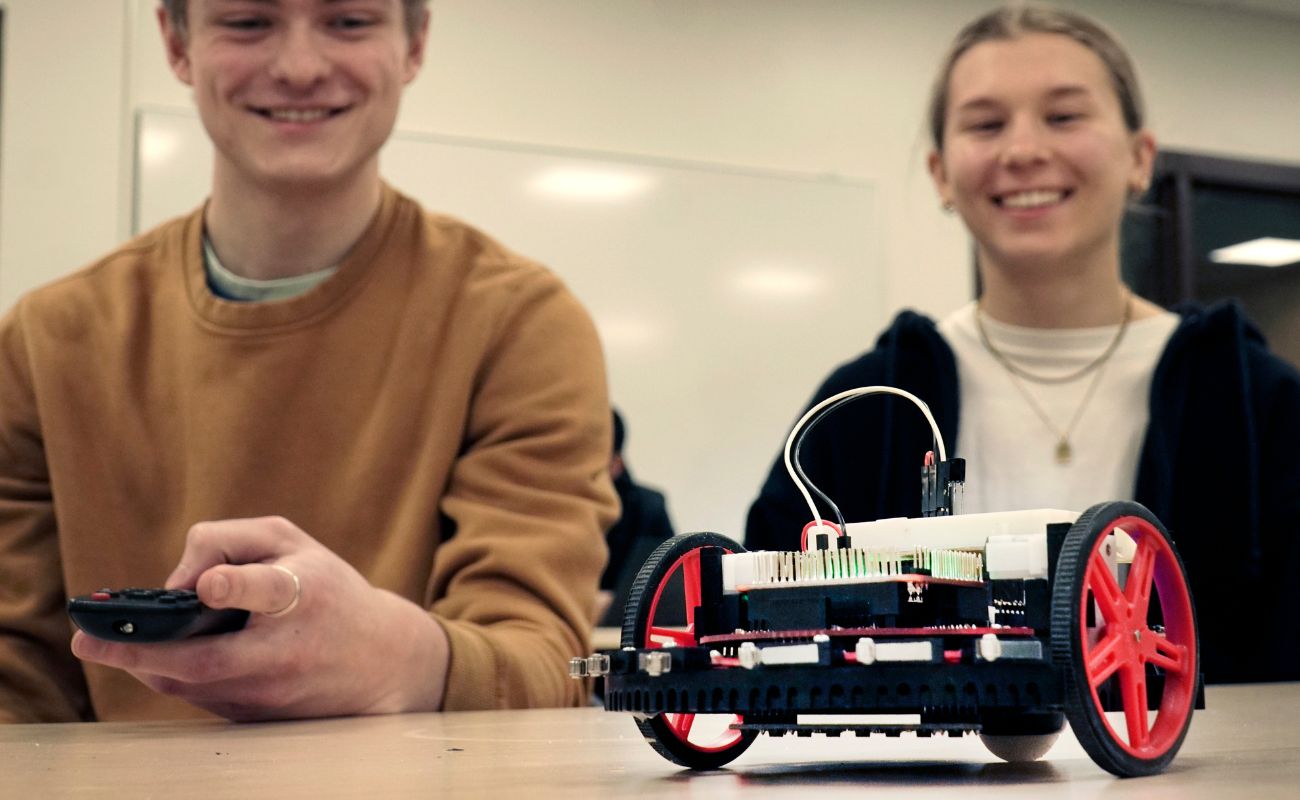
Discipline Experience
Explore different engineering disciplines in your first year through lab experiences before deciding on your discipline.
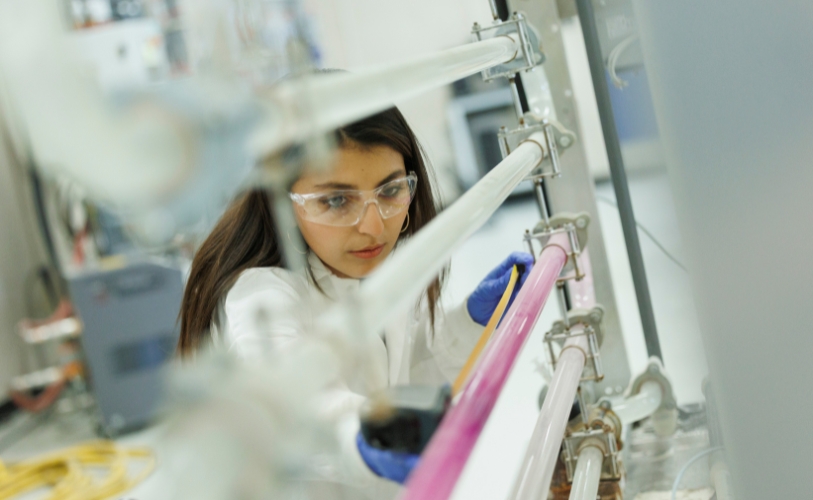
Engineering Labs
Build practical skills in our Virtual Reality Lab, Hydrotechnical Lab, Chemical Engineering Lab and more.
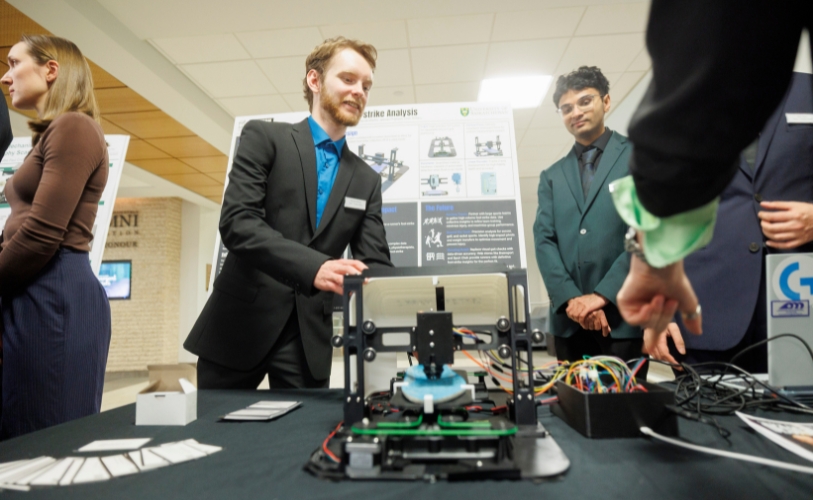
Capstone Project
Apply top-down design principles in your final year, culminating in a presentation of a final working design.
Money
Tuition and Fees
Tuition will vary depending on the type and number of classes you take in a year. The student fees portion covers services like health and dental insurance, use of athletic facilities on campus, a bus pass for the city's transit system and more.
Scholarships and Bursaries
1 in 3 engineering students receive scholarships covering just over a third of their annual tuition. Apply early so you don’t miss out!
Transfer Students
Transfer credit evaluations will only be evaluated for applicants and current students. We cannot complete preliminary evaluations for students who are considering an application.
Apply
Be part of USask Engineering!
Contact Us
If you have questions regarding your application for admission, please contact USask Admissions.