

USask Engineering students earn Indigenous Achievement Awards
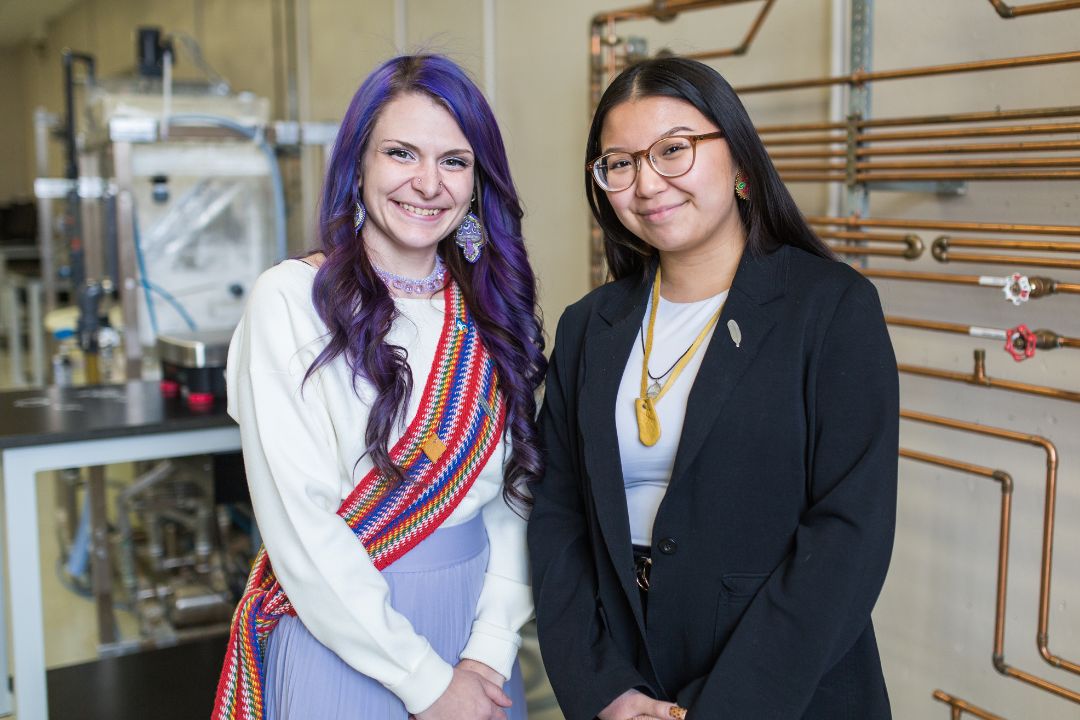
University of Saskatchewan (USask) engineering students Raenna Hesje and Olivia Maurice were honoured at the 2026 Indigenous Achievements Awards Ceremony.
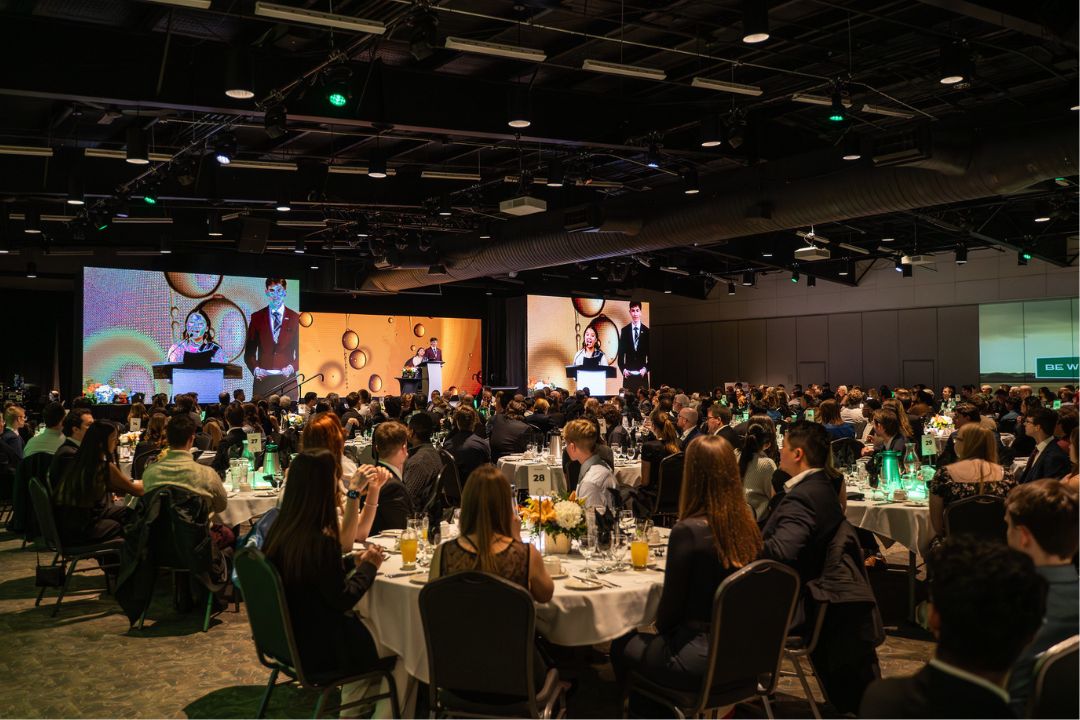
By Engineering CommunicationsUSask Engineering students, Raenna Hesje and Olivia Maurice, received awards at the University of Saskatchewan’s Indigenous Student Achievement Awards on March 10. Indigenous students from across the University of Saskatchewan (USask) will be honoured at a ceremony to recognize their academic excellence, leadership, research endeavours, resiliency or community engagement.
The award ceremony is part of Indigenous Achievement Week (IAW), which celebrates the successes and contributions of Métis, First Nations and Inuit students, staff and faculty. The festivities include speakers and celebrations in various locations across campus.
Raenna Hesje (She/Her)
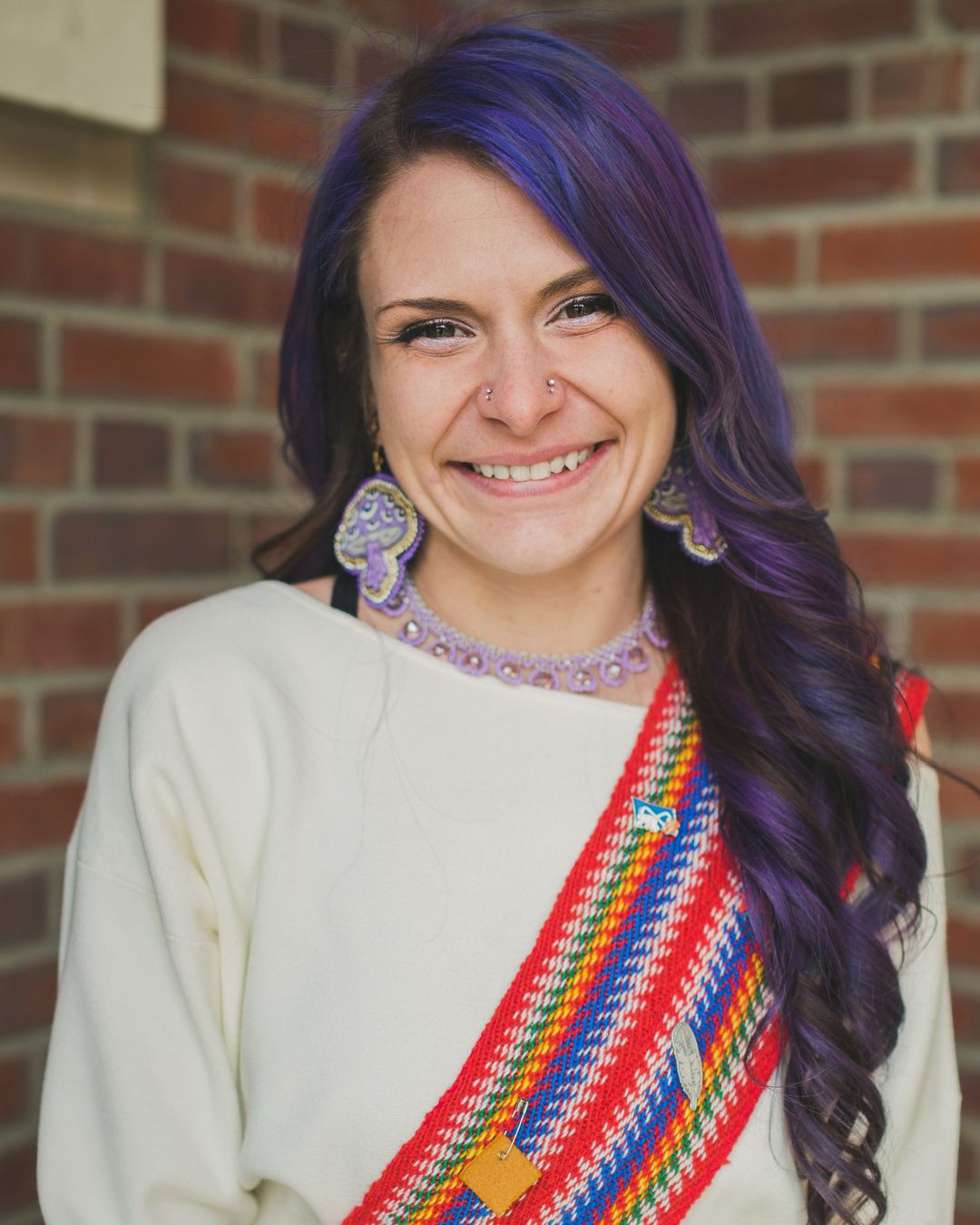
Award: Resiliency
For an upper-year student who is on track to graduate, who has overcome significant personal challenges to succeed in their studies.Program: Environmental Engineering
Community: Métis Nation Saskatchewan
Meet Raenna Hesje, a dedicated environmental engineering student at the University of Saskatchewan. Raenna has received the Indigenous Achievement Award for Resiliency two consecutive years, recognizing her commitment to education and overcoming significant challenges.
Graduating from high school in 2014, she spent seven years in the service industry before beginning her journey at USask in 2021. Since returning to school, she has balanced the responsibilities of motherhood while pursuing her degree.
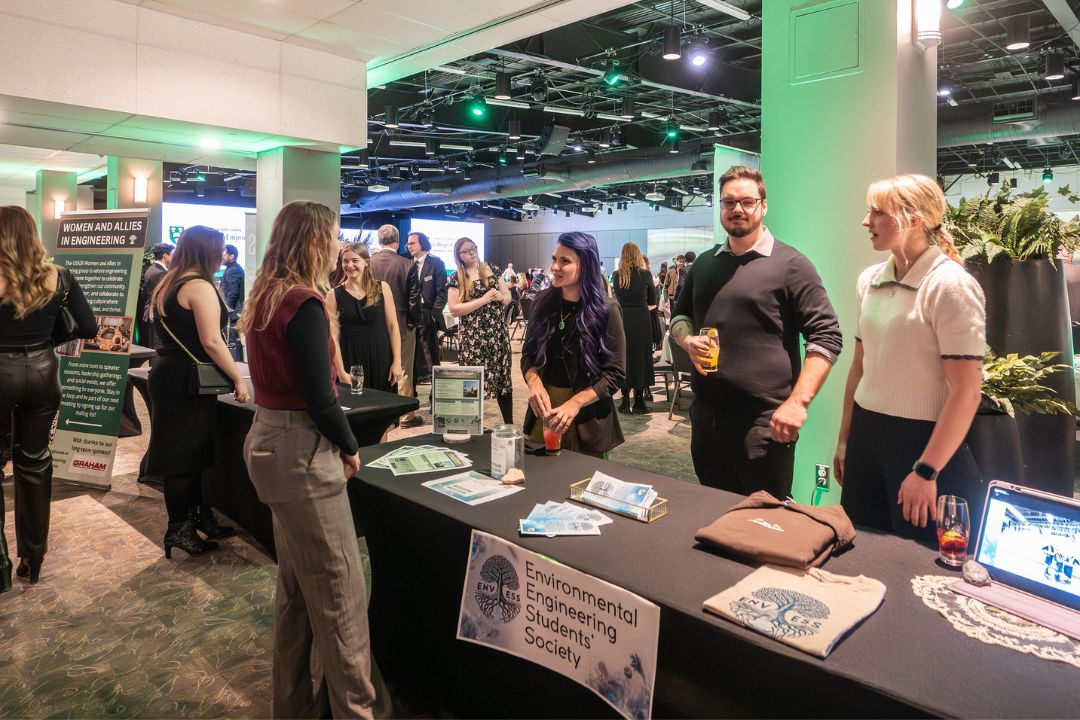
Raenna is an active leader in the College of Engineering, serving as the co-president of the Environmental Engineering Students’ Society, public relations director for USask’s AESIS chapter and a USask Engineering Indigenous Student Ambassador.
We recently sat down with Raenna to learn more about her experiences as a USask Engineering student, the path that brought her to engineering and her plans for the future. Here is what she had to say.
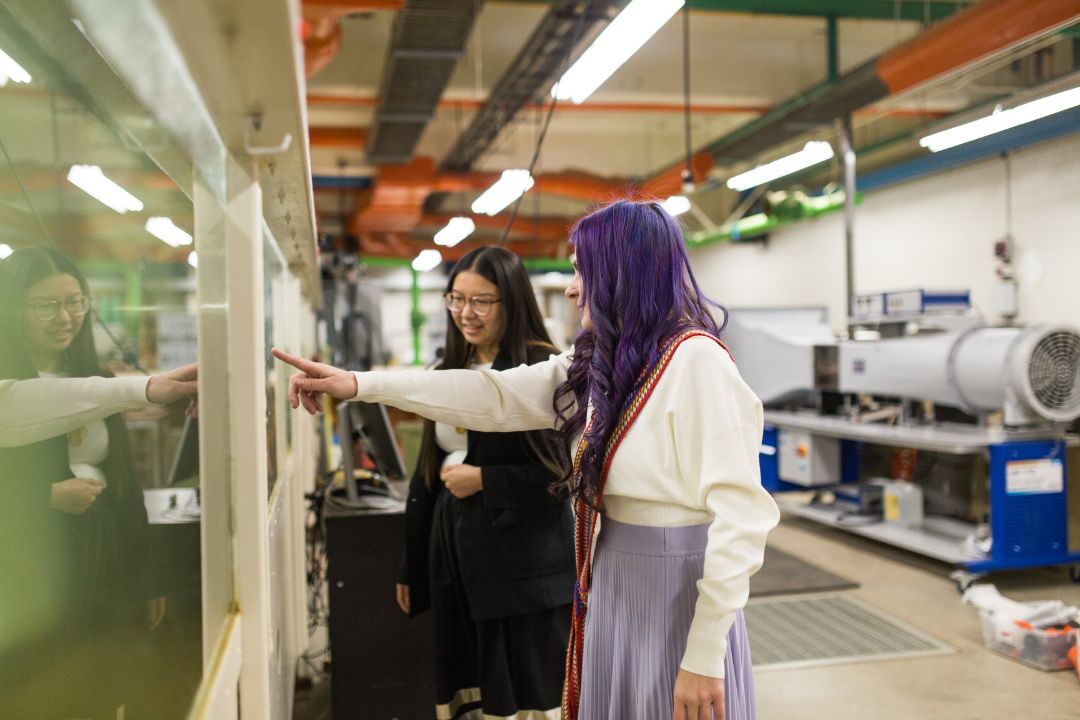
Why did you choose Environmental Engineering?
After having my son Jayce in 2018, I started to experience a lot of climate anxiety — a fear that we are damaging the Earth for future generations. I realized that while personal efforts like recycling and reducing waste are important, they can only go so far. I wanted to be part of larger, systemic solutions. Environmental engineering felt like the right path to help improve industrial practices and contribute to protecting the environment for future generations.
What advice would you give to future students who are considering going to university?
For future Indigenous students in particular: just do it! Personally, I feel that time goes by so quickly, and the opportunities that come from a university education are truly worth it. I also believe that we need more Indigenous representation in leadership and decision-making roles within industry. If we want to change systems, I believe that we need to be part of shaping them from within.
What has been one of your most memorable experiences at USask so far?
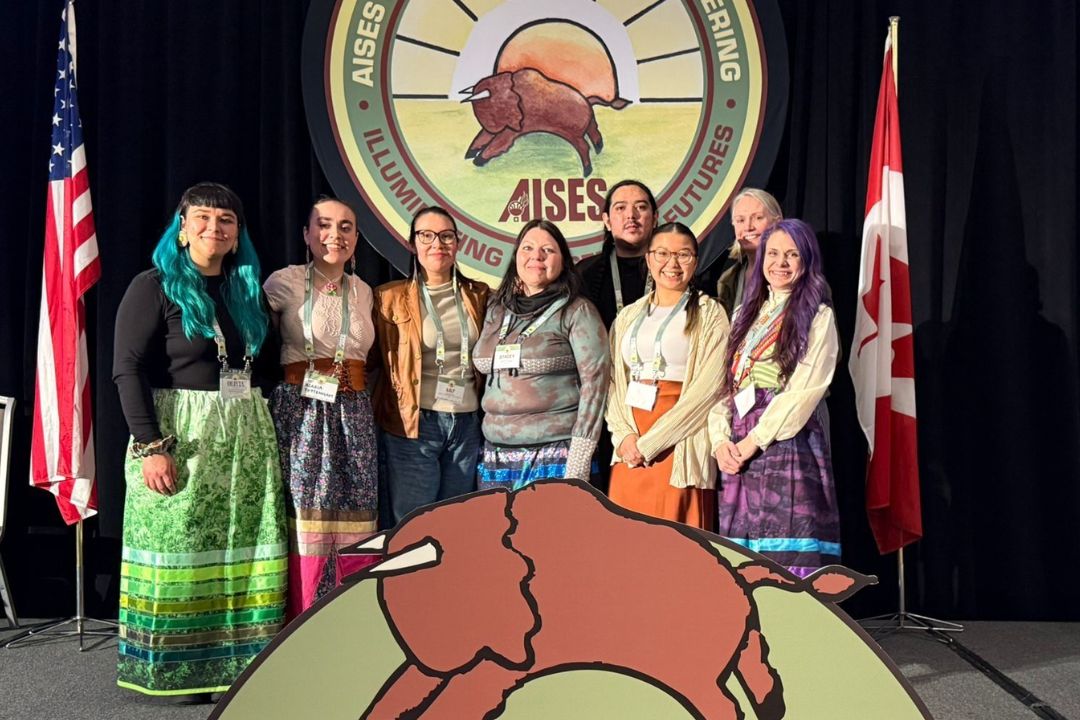
Some of my most memorable experiences have been attending the AISES Canadian National Gathering four times — twice in Vancouver and twice in Toronto. Through those events I made incredible friends, built professional connections, and created so many great memories. Seeing Indigenous representation at the forefront of the conference is always inspiring and reminds me how strong and supportive our community is.
In what ways has your Métis background helped you to build a strong sense of community?
My Métis background has helped guide what matters most to me: community and the environment. It strengthens my connection to the land and shapes the way I approach my goals and career. Métis values emphasize connectedness and a holistic perspective, which complements engineering in a meaningful way and influences how I think about environmental protection and sustainable solutions.
What are your plans for the future?
I’ll be graduating this spring — which is very exciting! I’ll be starting with Pinter & Associates as an Environmental Consultant while working toward my P.Eng. designation. Long term, I hope to contribute to keeping our communities and lands healthy by working on projects such as contaminated site remediation, sustainable wastewater treatment, and responsible waste management.
Olivia Maurice (she/her)
Award: Leadership
For students who have demonstrated exemplary leadership on or off-campus.
Program: Chemical Engineering
Community: English River First Nation
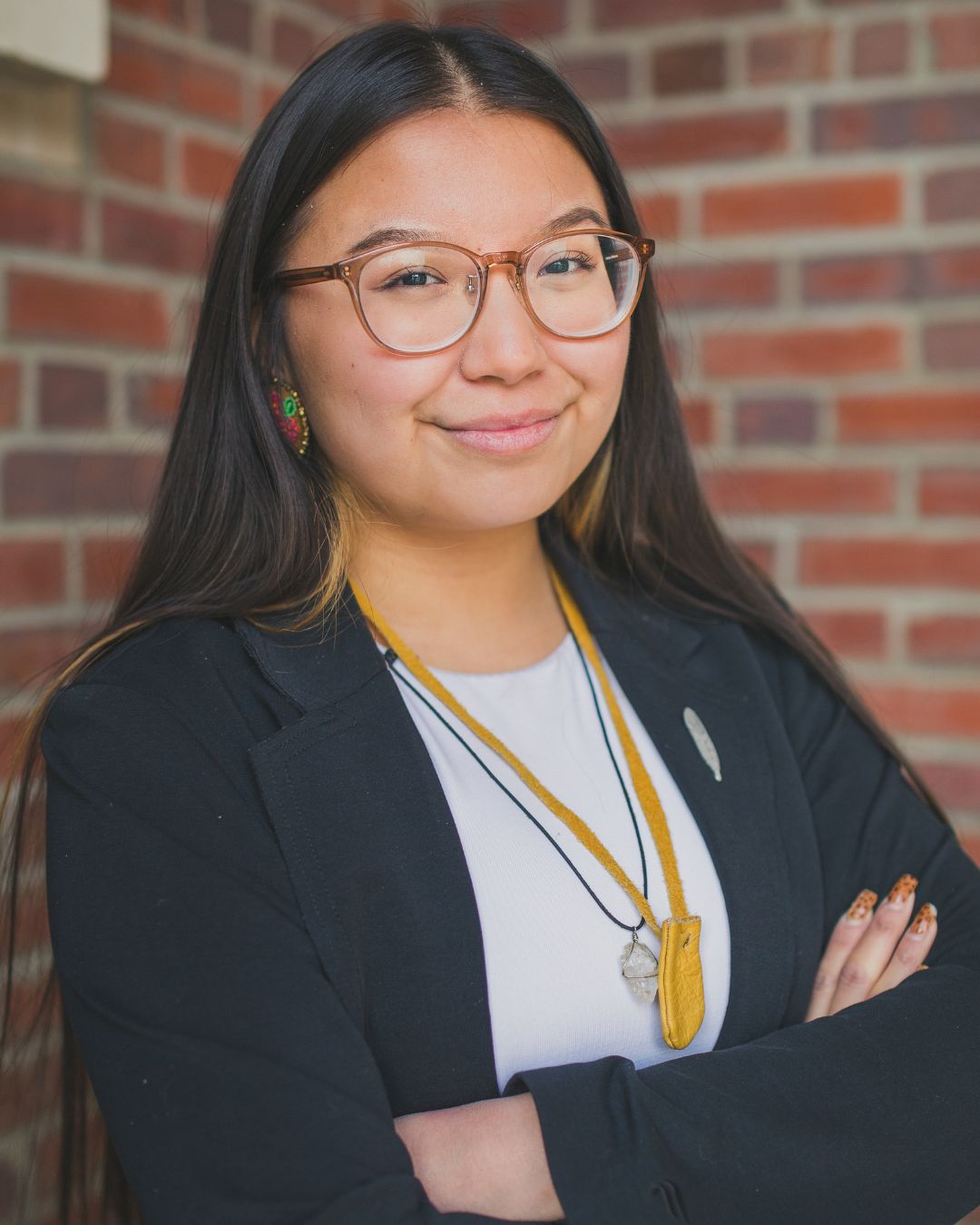
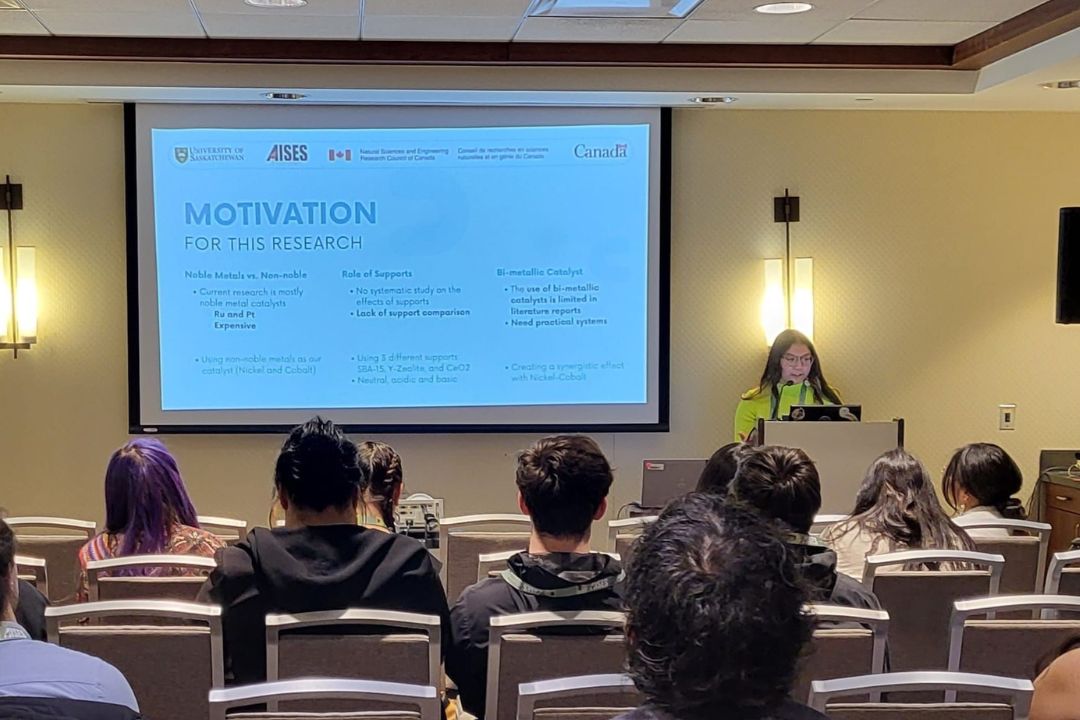
Meet Olivia Maurice, a passionate chemical engineering student at USask. Olivia is a community builder within the college. She serves as president of USask’s AISES Chapter, a group dedicated to uplifting, inspiring and advocating for Indigenous peoples pursuing STEM, and served as one of the college’s Indigenous Student Ambassadors in 2024-2025.
In January, she was selected by the Department of Chemical and Biological Engineering to serve as a host emcee for the 49th C.J. Mackenzie Gala, speaking to a crowd of more than 600 engineering students, alumni, faculty and industry professionals.
In addition to being a student, she is an entrepreneur, owning two businesses: Rezilient Designs and Astro Lash Cosmetics. Olivia also currently serves on the Nuclear Waste Management Organization’s Council of Elder and Youth and as Vice-Chair of the Foundation for Justice Saskatoon, an organization dedicated to supporting initiatives focused on housing, health and addiction services in Saskatoon.
We recently sat down with Olivia to learn more about her experiences as a USask Engineering student, the path that brought her to engineering, and her plans for the future. Here is what she had to say.
Why did you choose Chemical Engineering?
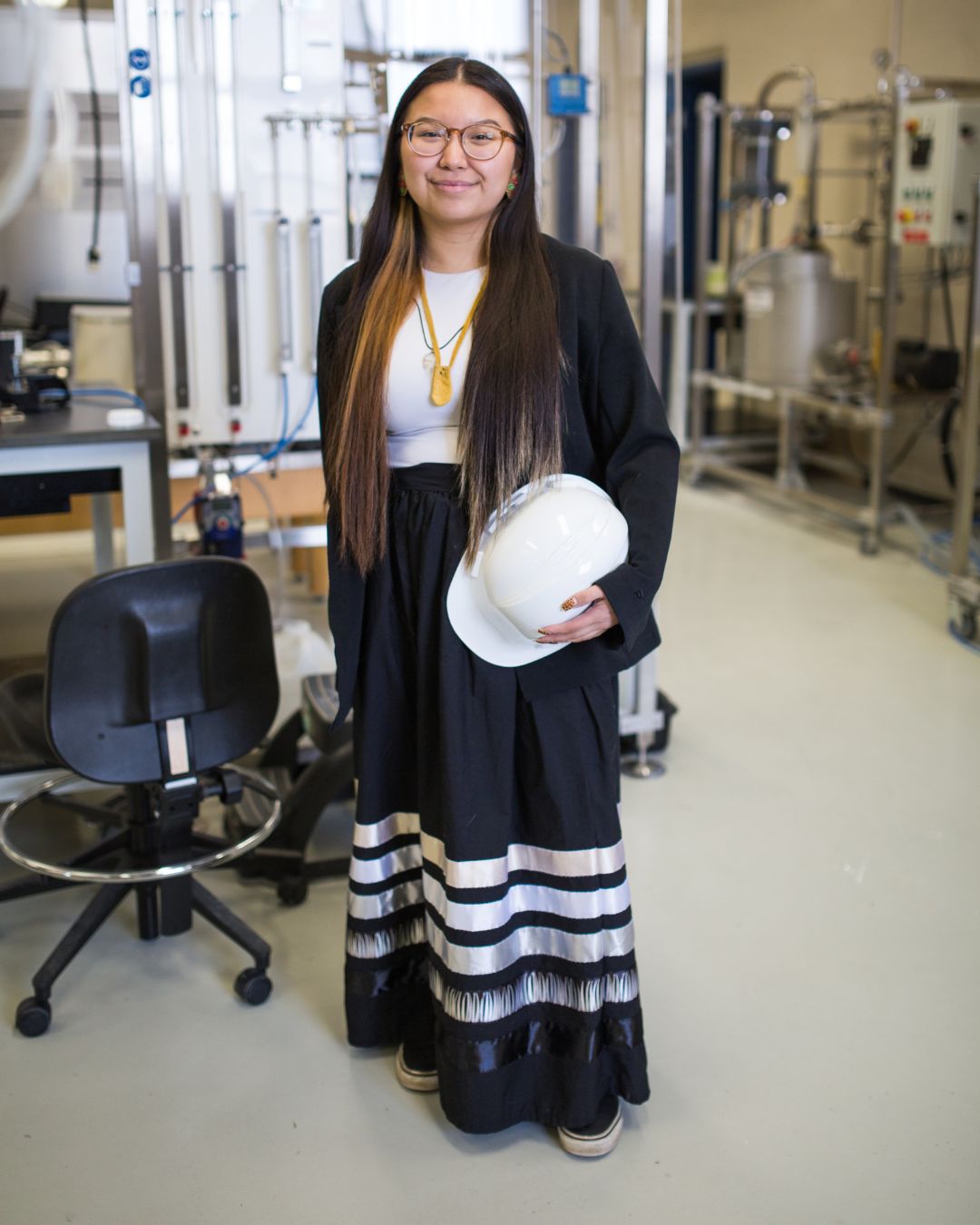
Initially, I didn’t actually know I wanted to be a chemical engineer. I always loved science and math, especially chemistry, but I didn’t make that connection until I joined university and started learning about the impacts I could make for my community through engineering. Being from English River First Nation, we are situated in the centre of some of the world’s highest-grade uranium ore, and these industries have direct relationships with my community. Studying chemical engineering has allowed me to build the technical knowledge to participate in those conversations and help shape how resource development can happen responsibly.
What advice would you give to future students who are considering going to university?
Take the leap!
I didn’t even really know what an engineer was when I started university. I just knew that I loved science and that I could “figure things out” if I gave myself the opportunity.
You don’t have to have everything 110% figured out before you start. Be open to saying yes to opportunities and don’t be afraid to step outside your comfort zone.
I struggled a lot during my second year until I found community through classmates, professors, and our AISES student chapter. Don’t be afraid to step outside your comfort zone, even if your toes are just barely hanging over the edge. Some of the most valuable experiences I’ve had came from saying yes to opportunities like research positions, leadership roles, industry placements and even public speaking!
In what ways has your Dënesųłinë́ background helped you to build a strong sense of community?
Being Dënesųłinë has influenced how I approach almost everything in life — leadership, community, and even my experience in university.
Growing up, I was taught that success is never something you achieve alone. It comes from the support of family, community, and the people around you who cheer you on during your achievements and lift you up when you are down.
That perspective has guided how I approach leadership and I try to help create positive spaces where people feel welcomed, supported, and encouraged to succeed and take those leaps. I truly believe that engineering and Indigenous traditional knowledge can and should work hand in hand, and that both ways of thinking can move forward together to create a positive future for industry and communities.
What are your plans for the future?
After completing my degree in chemical engineering, I plan to work in the mineral processing and nuclear industry sectors.I hope to stay close to Saskatchewan because I feel this province is a place where engineering, energy policy, and Indigenous governance intersect.
In the long term, I hope to contribute to conversations around responsible resource development while also supporting Indigenous students in STEM through mentorship and outreach. I know firsthand how important representation and strong support networks are for future Indigenous students entering these fields.